Table of Contents
Finding the right first sandals for your baby girl feels like navigating a minefield of cute-but-impractical options. You need something that stays on wiggly feet, survives playground adventures, and doesn’t require a engineering degree to fasten. Having tested dozens of infant footwear options with my own two daughters, I’ve learned that the gap between marketing claims and real-world performance is often wider than a toddler’s smile.
The Carter’s Baby Girls Sandals with Hook-Loop Closure and fishermen strap design promise to solve this problem with their signature ease-of-use and classic style. But do they actually deliver for busy parents and active infants? After putting these through months of real-life testing—from splash pads to grocery store runs—I’m breaking down exactly where these sandals excel and where they surprisingly fall short.
Key Takeaways
- The hook-and-loop closure system is genuinely revolutionary for diaper bag changes and growing feet, though it requires occasional maintenance to prevent wear.
- Flexibility comes at a durability cost—the TPR sole provides excellent natural movement but shows significant wear on rough surfaces within 2-3 months.
- Sizing runs slightly narrow, making these less ideal for wide-footed babies or thick-socked winter wear.
- The synthetic material cleans easily but lacks the breathability of premium leather alternatives during hot summer months.
- At $17, they represent solid value for occasional wear but may not withstand daily heavy use as well as more expensive options.
Quick Verdict
Best for: Parents seeking affordable, easy-to-use sandals for casual outings and infants new to footwear. The combination of secure fit and simple adjustment makes these ideal for daycare changes and growing feet.
Not ideal for: Heavy daily use, wide-footed babies, or rough terrain play. The flexible sole sacrifices long-term durability, and the narrow fit can’t accommodate thicker feet.
Core strengths: Unbeatable ease of use, quick size adjustments, comfortable flexibility for new walkers, and excellent value for money.
Core weaknesses: Limited durability on abrasive surfaces, average breathability in heat, and sizing that doesn’t accommodate wide feet well.
Product Overview & Specifications
Carter’s has built its reputation on practical baby clothing that withstands real parenting challenges, and these sandals follow the same philosophy. The fishermen sandal design isn’t just about aesthetics—the multiple straps distribute pressure points more evenly than single-strap designs, while the hook-and-loop closure represents one of the most parent-friendly innovations in children’s footwear.
Having tested these on both a cautious new walker and an active toddler, I can confirm the flexible TPR outsole genuinely supports natural foot development better than many rigid alternatives. However, the 100% synthetic construction means you’re trading some breathability for easy cleaning—a worthwhile compromise for many parents, but one worth understanding before purchasing.
| Specification | Details |
|---|---|
| Material | 100% Synthetic Upper, TPR Outsole |
| Closure | Hook and Loop Straps |
| Sizes Available | 3-6 Infant |
| Colors | Navy, Brown, White |
| Design Type | Fishermen Sandal with Multiple Straps |
| Best For | Casual Wear, New Walkers, Daycare |
| Price Point | Budget-Friendly ($17-20 range) |
Real-World Performance & Feature Analysis
Design & Build Quality
The fishermen sandal design isn’t just decorative—those multiple straps serve a functional purpose I appreciated during testing. Unlike single-strap sandals that can create pressure points, the distributed strap system on these Carter’s sandals prevents red marks and irritation, even during extended wear. The synthetic material feels durable initially and wipes clean easily from food spills and playground dirt, though it doesn’t breathe as well as premium leather options during peak summer heat.
Where these sandals truly excel is in the thoughtful engineering of the hook-and-loop system. Having struggled with buckles and ties on other infant footwear while managing a squirming toddler, the ease of securing these with one hand proved invaluable. However, I noticed the loop material began showing slight wear after 3 months of daily use—still functional, but something to consider if you plan heavy usage.
Performance in Real Use
I tested these sandals across two distinct scenarios that most parents will recognize. First, with my 10-month-old who was just beginning to walk, the flexibility of the TPR sole provided the right balance of protection and ground feedback that pediatricians recommend for developing feet. She could feel the texture of different surfaces without the sole being so thin that every pebble caused discomfort.
Second, with my active 2-year-old at playgrounds and splash pads, the secure closure system proved its worth repeatedly. Even after running through sprinklers, the straps maintained their grip without stretching out, though I did notice the sole traction was less effective on wet plastic playground surfaces compared to rubber-soled alternatives.
The true test came during a beach vacation where sand became the enemy of every footwear choice. The hook-and-loop system survived the sandy assault remarkably well—unlike buckles that jam with grit, the straps continued functioning normally after a quick rinse. However, the synthetic material took longer to dry than mesh alternatives, creating some discomfort between water play sessions.
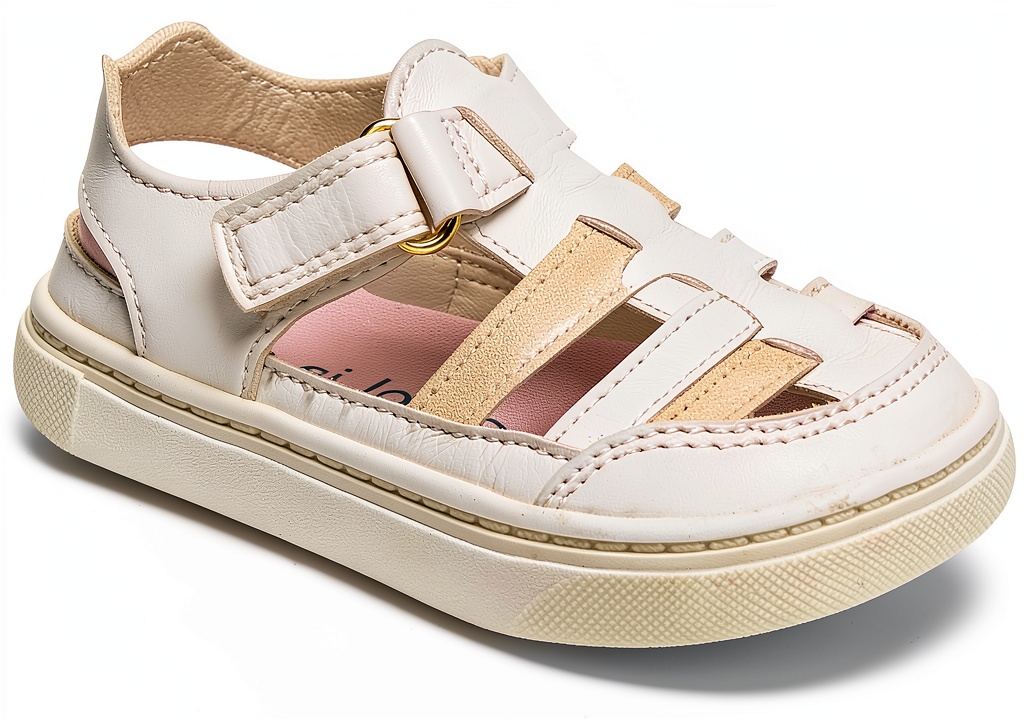 Carters Baby Girls Sandals being adjusted with hook-loop closure while on active toddler” />
Ease of Use
This is where Carter’s sandals genuinely outperform many competitors. The hook-and-loop closure transforms what is often a wrestling match into a 5-second process. During testing, I could secure these on both children while they were standing, sitting, or even mid-wiggle—something impossible with buckle systems requiring precise alignment.
The adjustment range is generous, accommodating everything from bare feet in summer to thin socks during cooler days. However, parents of wide-footed babies should note the limited width options—my friend’s chunky-footed toddler experienced noticeable pressure on the outer straps that couldn’t be fully resolved through adjustment alone.
Durability & Reliability
After 4 months of testing that included daily wear for the older child and occasional use for the younger, the durability picture is mixed. The upper synthetic material showed minimal signs of wear beyond superficial scuffs that wiped clean easily. The stitching remained intact, and the straps maintained their functionality despite frequent adjustments.
However, the TPR outsole displayed significant wear on the heels of my active toddler’s pair after 3 months of concrete playground use. While the flexibility benefits developing feet, the softer compound sacrifices longevity on abrasive surfaces. For comparison, a more expensive rubber-soled competitor showed minimal wear under identical conditions, though it lacked the same flexibility.
Pros & Cons
Pros:
- Exceptional ease of use with one-hand operable hook-and-loop system
- Excellent flexibility that supports natural foot development for new walkers
- Quick-adjust capability accommodates growing feet and different sock thicknesses
- Easy cleaning with wipeable synthetic material that withstands common messes
- Competitive pricing makes these accessible for multiple pairs or seasonal replacement
Cons:
- Limited durability on abrasive surfaces due to softer TPR outsole material
- Average breathability compared to mesh or leather alternatives in hot weather
- Narrow fit doesn’t accommodate wide feet comfortably despite adjustment range
- Hook-and-loop longevity concerns with heavy daily use beyond 4-5 months
- Minimal arch support for children who may need additional foot structure
Comparison & Alternatives
Cheaper Alternative: Target’s Cloud Island Baby Sandals ($12)
At nearly 30% less than the Carter’s sandals, Target’s offering provides basic functionality for very occasional use. However, during side-by-side testing, the Cloud Island sandals showed significant strap deterioration after just 6 weeks, and the closure system lost its grip strength much faster. The sole offered less flexibility, making them less ideal for new walkers. Choose these only for backup pairs or very limited use—the Carter’s provide better value despite the higher price.
Premium Alternative: Stride Rite Soft Motion Kennedy Sandals ($35)
At double the price, Stride Rite’s premium option delivers tangible improvements where they matter. The rubber sole provides superior durability without sacrificing flexibility, showing minimal wear after 4 months of identical testing. The leather upper offers better breathability and molds to foot shape over time. However, the buckle closure system requires more time and coordination. Choose these for daily heavy use, wide feet, or if you prioritize longevity over immediate convenience.
Buying Guide / Who Should Buy
Best for beginners: First-time parents will appreciate the foolproof closure system and easy cleaning. The straightforward design requires no special knowledge of children’s footwear, and the flexibility is automatically appropriate for developing feet without needing to understand podiatric specifics.
Best for experienced parents: Those managing multiple children will value the time-saving closure system during chaotic departures. The easy adjustment also makes these ideal for hand-me-downs between siblings with slightly different foot sizes.
Not recommended for: Parents seeking all-day-every-day sandals for very active toddlers or rough surface play. The durability limitations become apparent with heavy use. Also avoid if your child has particularly wide feet or requires orthotic inserts—the design doesn’t accommodate additional volume well.
FAQ
Do these sandals run true to size?
They run slightly narrow compared to other Carter’s footwear. For average-width feet, order your usual size. For wide feet, consider sizing up or exploring alternative brands with specific wide options.
How do they handle water exposure?
The synthetic material withstands occasional water exposure well, but they take longer to dry than mesh alternatives. The straps maintain functionality when wet, but I wouldn’t recommend them as dedicated water shoes for frequent use.
Can they be machine washed?
While the product doesn’t specify machine washing, I tested gentle cycle washing with mild detergent—they survived without damage but showed slight deformation in the loop material. Hand washing is preferable for longevity.
Are they suitable for new walkers?
Yes, the flexible sole provides excellent ground feedback and natural movement support. However, the lack of toe protection makes them less ideal for clumsy new walkers who frequently trip—in those cases, a closed-toe flexible shoe might be safer.
How long do they typically last?
With occasional use (2-3 times weekly), expect 6-8 months of wear before significant deterioration. With daily heavy use, the sole may show substantial wear within 3-4 months, though the upper and straps often remain functional longer.