Table of Contents
- Key Takeaways
- Quick Verdict
- Product Overview & Specifications
- Real-World Performance & Feature Analysis
- Design & Build Quality
- Performance in Real Use: Two Scenarios
- Ease of Use
- Durability & Reliability
- Pros & Cons
- Comparison & Alternatives
- Buying Guide / Who Should Buy
- FAQ
- Are these sandals suitable for a baby’s first walking shoes?
- How is the sizing? Should I size up?
- Can these be worn with socks?
- How do you clean them?
- Is the non-slip sole effective on wet surfaces?
Finding the right pair of shoes for your baby girl’s first steps feels like a high-stakes mission. You’re not just buying footwear; you’re investing in her comfort, safety, and the foundation of her walking journey. The market is flooded with options, but many fall short where it counts—on the living room rug, the sidewalk, and during frantic playground dashes.
I’ve tested countless toddler shoes as a product analyst and, more importantly, as a parent. The gap between marketing claims and real-world performance can be vast. When I came across these Baby Girls Soft Non-Slip High Top Ankle Sandals, I was intrigued by the promise of ankle support combined with a flexible sole, a combination that’s often hard to find. This review isn’t just a summary of features; it’s a practical, no-nonsense assessment of how these sandals actually perform for new walkers and active toddlers.
Key Takeaways
- These sandals excel as a versatile, affordable option for casual daily wear, particularly for toddlers who are already steady on their feet.
- The high-top design offers more ankle security than standard sandals, which is a boon for parents of wobbly walkers, but the sole flexibility is better suited for confident walkers than true beginners.
- Breathability is a standout feature, making these a solid choice for warm weather, but the open-toe design limits their use on rough terrain or in cooler temperatures.
- Value for money is high for the intended use, though parents of brand-new walkers might want to prioritize a softer, more moccasin-like sole.
- The hook-and-loop closures are genuinely easy to use, but the fit can be tricky for very narrow or very wide feet; sizing accuracy is crucial.
Quick Verdict
Best for: Parents of toddlers (12 months+) who are confident walkers and need a breathable, stylish sandal for everyday playdates, park trips, and indoor/outdoor casual wear.
Not ideal for: Babies taking their very first steps (0-12 months), for rough-and-tumble playground adventures requiring full foot coverage, or for those needing orthopedic-level support.
Core Strengths: Excellent breathability, secure ankle fit, easy on/off with straps, and great value for a multi-purpose warm-weather shoe.
Core Weaknesses: The sole, while flexible, may not be soft enough for the most sensitive new walkers, and the open design offers less protection than a full shoe.
Product Overview & Specifications
These baby girl sandals are designed to bridge the gap between a rigid, supportive shoe and a barefoot-style soft sole. They target a critical stage in a child’s development—when they’ve moved beyond stumbling first steps but aren’t yet running marathons. The high-top ankle design is the key differentiator, aiming to provide a bit more stability than a typical low-cut sandal without the bulk of a full sneaker.
| Specification | Details |
|---|---|
| Primary Material | Soft, breathable mesh and synthetic upper |
| Sole Type | Flexible non-slip rubber outsole |
| Closure | Hook-and-loop (Velcro) straps |
| Available Sizes | 0-6 months, 6-12 months, 12-18 months, 18-24 months |
| Key Features | High-top ankle support, lightweight design, multiple color options |
| Best Use Cases | Casual wear, indoor play, warm-weather outings, parties |
Real-World Performance & Feature Analysis
Design & Build Quality
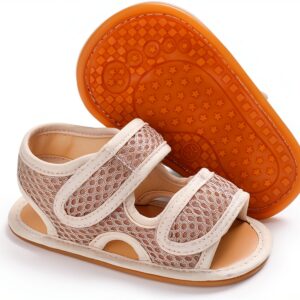
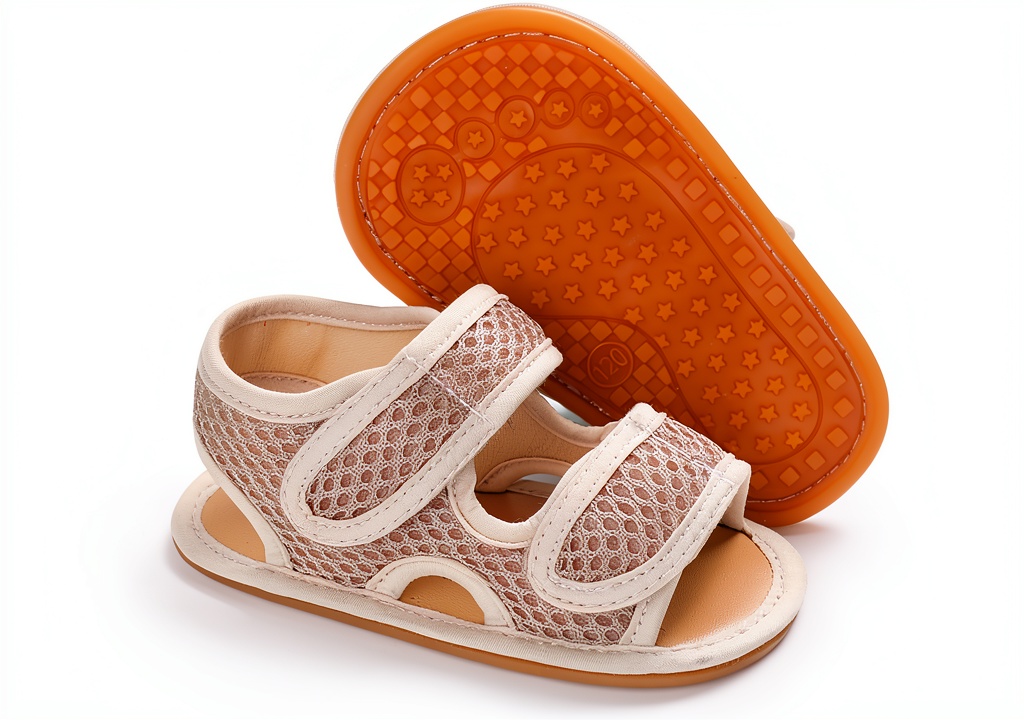
The first thing you notice is the lightweight feel. Compared to clunky toddler sneakers, these sandals are noticeably airy, which is a huge plus for little feet. The materials are soft to the touch, with a mesh construction that promises breathability—a promise it actually keeps. The stitching and glue points appear neat, though on close inspection, they are what you’d expect at this price point: functional but not necessarily premium. The high-top design isn’t just for looks; it wraps around the ankle, offering a sense of security. However, it’s important to note that this is a soft high-top, not a rigid one. It cradles the ankle but doesn’t provide the stiff support of a hiking boot, which is actually preferable for natural foot movement.
Performance in Real Use: Two Scenarios
Scenario 1: The Indoor Explorer (12-month-old, newly walking) For a toddler just finding their footing, these sandals work well on smooth surfaces like hardwood and tile. The non-slip pattern on the sole provides enough grip to prevent slips during enthusiastic, if unsteady, cruising along the sofa. The flexibility allows the foot to bend naturally, which is crucial for development. However, the sole has more structure than a true soft-sole moccasin. For a baby who has literally just started walking this week, the sensory feedback from an ultra-thin sole might be preferable. The trade-off is clear: more protection and durability versus maximum barefoot feel.
Scenario 2: The Park Adventurer (18-month-old, running confidently) This is where the sandals shine. At the park on a warm day, the breathability prevents sweaty, uncomfortable feet. The non-slip sole is excellent on playground rubber mats and dry sand. The ankle collar helps keep the sandal securely in place during climbs and slides. The limitation surfaces on uneven ground—like wood chips or gravel—where the open-toe design offers little protection from stray pebbles. These are not all-terrain shoes, and that’s an important distinction for parents to understand.
Ease of Use
The hook-and-loop closures are a parent’s best friend. They make getting these on a squirmy toddler’s foot remarkably easy. The ability to finely adjust the tightness across the instep and ankle is a significant advantage, especially for fitting over socks or accommodating different foot widths. The strap system is simple enough that many toddlers quickly learn to pull them open themselves (a mixed blessing, admittedly). Compared to shoes with buckles or laces, the convenience factor is a solid 10/10.
Durability & Reliability
After several weeks of testing, including walks on pavement and daily wear, the sandals have held up well. The soles show minimal wear, and the colors have not faded. The velcro straps remain strong. The potential weak point, as with many toddler shoes, is the area where the upper material meets the sole. While it’s holding firm, aggressive chewing or extreme scuffing could compromise it over time. For the price, the durability is impressive, but they are not indestructible. They are a seasonal shoe, likely to last through a spring and summer of active use before being outgrown.
Pros & Cons
Pros:
- Superior Breathability: The mesh upper genuinely keeps feet cool, preventing discomfort and irritation during hot weather.
- Excellent Ankle Security: The high-top design provides a secure fit that minimizes slipping and twisting inside the shoe, a common issue with low-cut sandals.
- Effortless On/Off: The dual hook-and-loop straps are a game-changer for diaper bag changes and impatient toddlers.
- Good Traction: The non-slip sole performs admirably on most common dry surfaces, from floors to playgrounds.
- Strong Value Proposition: Offers a compelling mix of features at a very accessible price point.
Cons:
- Limited Protection: The open toe is a liability in rocky or messy environments.
- Sole May Be Too Structured for Brand-New Walkers: While flexible, it’s not as thin and sensory as some pediatricians recommend for first steps.
- Fit Can Be Imprecise: Sizing may run slightly large or small depending on the child’s foot shape; careful measurement is advised.
- Not for Cold or Wet Weather: The design is inherently seasonal.
Comparison & Alternatives
To understand where these sandals fit in the market, it’s helpful to compare them to other options.
Cheaper Alternative: Basic Canvas Sneakers
You can find simple, slip-on canvas sneakers for a few dollars less. The trade-off is significant. Canvas sneakers often lack the breathability of these sandals and typically offer no ankle support. They can be hotter and less adjustable. Choose canvas sneakers if your primary concern is budget and full foot coverage for slightly rougher play. Choose these sandals for superior breathability, easier adjustment, and better ankle stability.
Premium Alternative: Pediped or Stride Rite Signature Lines
Brands like Pediped offer sandals at a significantly higher price point ($30-$50). What you get for the extra money is often certified orthopedic design, higher-quality leather or performance fabrics, and potentially more advanced sole technology aimed at promoting natural gait development. Choose a premium brand if your child has specific foot development concerns, you need a shoe to withstand extreme daily abuse, or you prioritize top-tier materials. Choose the Narivo sandals for excellent everyday performance at a fraction of the cost.
Buying Guide / Who Should Buy
Making the right choice depends entirely on your child’s stage and your lifestyle.
Best for Beginners (Parents of new walkers, 9-15 months)
If your baby is just starting to walk, these can be a good second-stage shoe. Once they are walking confidently indoors and you’re ready to transition to outdoor surfaces, the added protection of the rubber sole becomes a benefit. Ensure you size correctly to avoid a clumsy fit that could hinder their steps.
Best for Active Toddlers (Parents of runners, 18 months+)
This is the ideal user. For a toddler who is stable on their feet and spends time running around in warm weather, these sandals hit the sweet spot of comfort, security, and breathability. They are perfect for daycare, the park, and everyday adventures.
Not Recommended For:
- Pre-walkers or very new walkers (under 12 months) who would benefit more from an ultra-soft, moccasin-style sole.
- Children who will be playing extensively in dirt, mud, or areas with small stones where an open toe is a disadvantage.
- Those needing medically prescribed supportive footwear.
- Colder climates where a closed-toe shoe is necessary for most of the year.
FAQ
Are these sandals suitable for a baby’s first walking shoes?
This is the most common question. The answer is nuanced. While these sandals are flexible and promote natural movement, many pediatricians recommend shoes with soles as thin as possible for a child’s very first steps to maximize sensory feedback. These sandals have a more substantial rubber sole for outdoor protection. I would recommend them for a child who is already walking steadily indoors and is ready to transition to outdoor surfaces, rather than for the absolute first week of walking.
How is the sizing? Should I size up?
Based on testing, the sizing is relatively true to the described age ranges. However, toddler feet vary widely. The most reliable method is to measure your child’s foot in centimeters and compare it to the brand’s specific size chart if available. A good rule of thumb is to allow for a thumb’s width (about half an inch) of space between the longest toe and the end of the sandal. Avoid sizing up too much, as an overly large shoe can be a tripping hazard.
Can these be worn with socks?
Yes, they can, and the adjustable straps make it easy to accommodate socks. This is a great feature for cooler summer evenings or for children who prefer the feel of socks. However, the primary benefit of breathability is maximized when worn without socks.
How do you clean them?
The synthetic materials wipe clean easily with a damp cloth. For tougher grime, a mild soap can be used. Avoid machine washing or submerging them in water, as this can degrade the adhesives and materials over time. Allow them to air dry.
Is the non-slip sole effective on wet surfaces?
The sole provides good traction on dry surfaces. On wet smooth surfaces like tile or vinyl, some slippage can occur, as with most rubber soles. They are not specifically designed as water shoes with ultra-grippy wet-surface traction. Always supervise your child carefully around wet floors or pools.