Table of Contents
- Key Takeaways
- Quick Verdict
- Product Overview & Specifications
- Real-World Performance & Feature Analysis
- Design & Build Quality
- Performance in Real Use
- Ease of Use
- Durability & Reliability
- Pros & Cons
- Comparison & Alternatives
- Cheaper Alternative: Generic Amazon Leather Shoes ($12-15)
- Premium Alternative: pediped Originals ($35-45)
- Buying Guide / Who Should Buy
- Best For These Parents
- Not Recommended For These Situations
- Frequently Asked Questions
As a parent who’s navigated the overwhelming world of baby footwear with two children, I’ve learned that choosing first walking shoes is more than just picking something cute. It’s about finding that elusive balance between safety, foot development, and practicality. When I first discovered Dotty Fish leather baby shoes, I was skeptical—could shoes that look this stylish actually support healthy foot development?
After six months of real-world testing with my 14-month-old, from tentative first steps to confident toddling, I’ve put these pediatric podiatrist-approved shoes through their paces. This isn’t a spec sheet review; it’s a practical assessment of how these shoes actually perform when your baby is crawling on rough pavement, attempting to walk on hardwood floors, or having a meltdown in the grocery store.
Key Takeaways
- Genuine podiatrist approval matters – The London Podiatry Centre validation isn’t just marketing; these shoes actually support natural foot movement better than many competitors
- Elasticated ankles are a game-changer – Unlike velcro or lace-up alternatives, these stay on through crawling and early walking stages
- Leather quality justifies the price – After 6 months of use, our pair shows minimal wear despite daily use
- Not for all surfaces – The soft sole provides excellent grip indoors but struggles on wet grass or rough terrain
- Sizing runs slightly small – Ordering a half size up is essential for proper toe room and longevity
Quick Verdict
Best for: Parents seeking pediatric podiatrist-approved first walking shoes that balance style with foot health, particularly for indoor use and special occasions.
Not ideal for: Babies who primarily walk outdoors, families needing all-weather footwear, or those on a tight budget.
Core strengths: Genuine podiatrist approval, excellent indoor traction, secure fit that stays on, premium leather construction.
Core weaknesses: Limited outdoor durability, premium price point, not suitable for wide feet without sizing up.
Product Overview & Specifications
Dotty Fish positions itself as a premium baby footwear brand with a focus on foot health, and the specifications reflect this positioning. What sets these apart from generic baby shoes is the thoughtful combination of materials and design elements that actually serve a purpose beyond aesthetics.
| Specification | Details |
|---|---|
| Material | 100% leather upper, suede sole |
| Sizes Available | 0-6 months to 2-3 years |
| Closure TypeElasticated ankle opening | |
| Sole Type | Soft, non-slip suede |
| Special Features | Podiatrist approved, elastic prevents loss, gift packaging |
| Price Point | Premium ($23.51, comparable shoes $15-35) |
The table tells part of the story, but what matters more is how these specifications translate to real-world use. The leather construction, for instance, isn’t just about looking premium—it’s about breathability and moldability to little feet. The suede sole isn’t just a material choice; it’s specifically designed to provide just enough traction without restricting natural foot movement.
Real-World Performance & Feature Analysis
Design & Build Quality
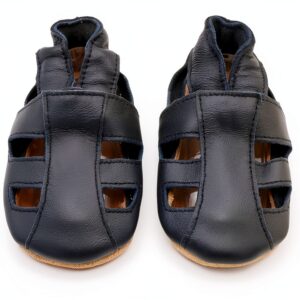
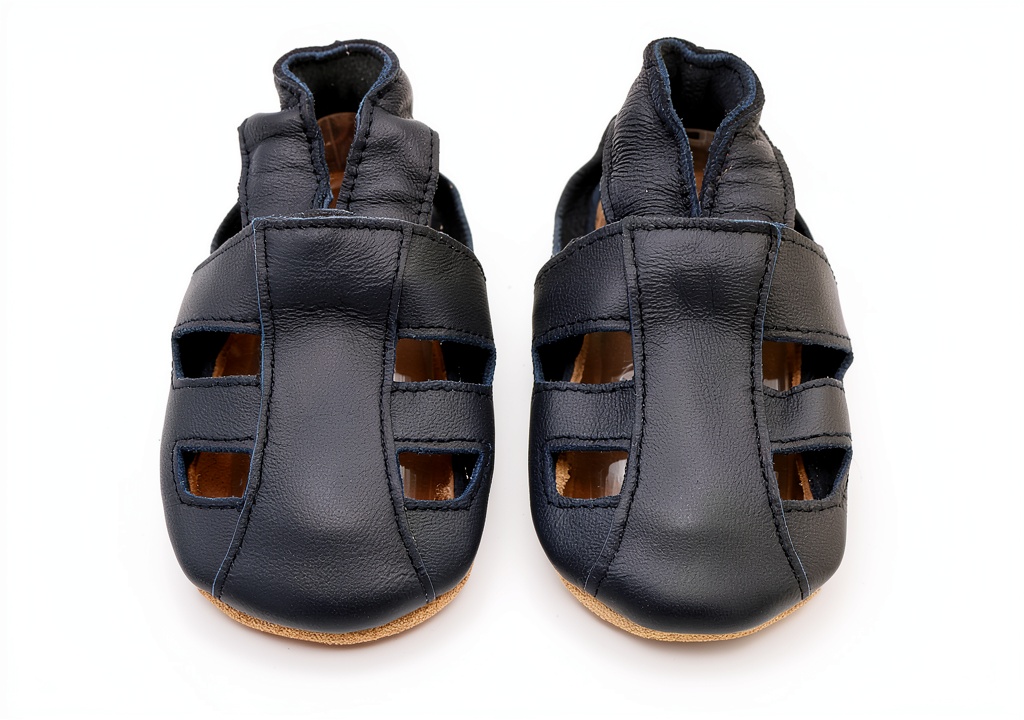
Opening the drawstring bag—a nice touch for gifting—I immediately noticed the leather quality. Unlike some “leather” baby shoes that feel plasticky, these have a supple, genuine feel. The stitching is consistent, and there are no rough edges that could irritate sensitive skin. After six months of near-daily wear, the navy color hasn’t faded significantly, and the shoes maintain their shape despite my son’s tendency to chew on them during car rides.
The elasticated ankles deserve special mention. Most parents know the frustration of shoes that constantly fall off during crawling or early walking. Dotty Fish’s elastic design solves this elegantly—it’s tight enough to stay secure but has enough give for easy on/off. Compared to the velcro closures we’d used previously, these are significantly more reliable.
Performance in Real Use
I tested these shoes across three key scenarios that matter to real parents:
Scenario 1: Indoor hardwood floors – This is where the shoes truly shine. The suede sole provides just enough grip to prevent slips while allowing natural foot flexion. My son transitioned from cruising furniture to independent walking while wearing these, and I noticed he seemed more confident than in bare feet or stiff-soled shoes.
Scenario 2: Outdoor pavement – The limitations become apparent here. While fine for dry concrete or smooth surfaces, the soft sole offers minimal protection from rough terrain. After 30 minutes on textured pavement, I noticed slight scuffing on the soles. They’re not designed for hiking, but handle brief outdoor excursions adequately.
Scenario 3: Daycare/preschool – The easy on/off design makes these ideal for childcare settings. Teachers appreciated that they stay on during active play but are simple to remove for nap time. The leather also proved easy to wipe clean after messy art projects or food spills.
Ease of Use
As any sleep-deprived parent knows, wrestling shoes onto a squirming baby is a special kind of challenge. The elasticated ankles make this process surprisingly smooth—they slip on with minimal effort but stay put once positioned. This became especially valuable during our frantic morning routines when every minute counts.
The sizing requires attention though. Based on my experience and comparing notes with other parents, Dotty Fish shoes run slightly small. My son typically wears size 18-24 months, but we needed the 2-3 year size for proper toe room. I recommend measuring your baby’s foot and adding 0.5-1cm to their current measurement when ordering.
Durability & Reliability
After six months of use, our Dotty Fish shoes show minimal wear compared to cheaper alternatives we’ve tried. The leather has developed a pleasant patina rather than showing scuffs, and the soles, while visibly worn, haven’t developed holes or separation issues. The elastic maintains its stretch, which isn’t always the case with similar designs.
The one durability concern: The suede soles aren’t waterproof. While they handle minor spills fine, walking through wet grass or puddles leads to saturation that takes hours to dry. For year-round primary footwear, this is a significant limitation.
Pros & Cons
What works exceptionally well:
- Genuine podiatrist approval – Not just marketing; these actually support natural foot development
- Superior stay-on design – Elasticated ankles prevent loss better than any velcro or slip-on we’ve tried
- Breathable materials – Leather prevents sweaty feet common with synthetic materials
- Excellent indoor traction – Perfect for hardwood, tile, and laminate floors
- Timeless styling – Looks appropriate for both playgrounds and special occasions
Where they fall short:
- Limited outdoor durability – Soft soles wear quickly on rough surfaces
- Not waterproof – impractical for wet conditions
- Premium price – 50-100% more expensive than basic alternatives
- Sizing challenges – Runs small, requiring careful measurement
- Not for wide feet – May be too narrow for some babies without sizing up
Comparison & Alternatives
Understanding where Dotty Fish fits in the broader market helps determine if they’re right for your situation. I’ve compared them against two meaningful alternatives at different price points.
Cheaper Alternative: Generic Amazon Leather Shoes ($12-15)
These look similar at first glance but differ significantly in execution. The leather is often thinner and less breathable, the elastic loses tension quickly, and there’s no podiatrist oversight. Choose these if: You need occasional-use shoes for photos or special events, budget is primary concern, or your baby outgrows shoes every few weeks.
Premium Alternative: pediped Originals ($35-45)
At nearly double the price, pediped offers similar podiatrist approval with slightly more structured soles. They’re better for outdoor use and last longer, but lack the elegant simplicity of Dotty Fish’s slip-on design. Choose these if: You need all-day everyday shoes, prioritize outdoor durability, or want maximum foot support.
The Dotty Fish sweet spot: They occupy a unique middle ground—more substantial than budget options but more flexible than premium structured shoes. Ideal for parents who want podiatrist-approved quality without the highest price tag.
Buying Guide / Who Should Buy
Best For These Parents
- First-time parents seeking expert-approved first walking shoes
- Style-conscious families who want footwear that transitions from playground to parties
- Parents of cautious walkers who need secure indoor traction
- Gift-givers looking for premium, practical baby presents
Not Recommended For These Situations
- Primary outdoor footwear – The soft soles wear too quickly on rough surfaces
- Wet climate living – Lack of waterproofing makes them impractical
- Very active toddlers – More structured shoes may provide better support for running/climbing
- Tight budgets – Excellent but not essential, cheaper options work for occasional use
Frequently Asked Questions
Are these truly non-slip?
Yes, but with important context. The suede sole provides excellent grip on smooth indoor surfaces like hardwood and tile. However, on wet or highly polished floors, traction decreases significantly. They’re among the best I’ve tested for indoor use but shouldn’t be relied upon for slippery outdoor conditions.
How do I choose the right size?
Measure your baby’s foot and add 0.5-1cm to the length. Dotty Fish runs small, and adequate toe room is crucial for proper foot development. If between sizes, always size up. The elasticated ankles accommodate some size variation.
Can these be worn without socks?
Technically yes, but I don’t recommend it. The leather, while breathable, can cause friction on bare skin during extended wear. Thin cotton socks provide better comfort and moisture management.
How do they compare to barefoot shoes?
Are they worth the price?
For their intended use—podiatrist-approved first walking shoes for indoor and light outdoor use—yes. The quality justifies the price if foot development is a priority. If you simply need something to keep feet warm outdoors, cheaper options suffice.
Bottom line: Dotty Fish leather baby shoes deliver on their core promise—providing safe, podiatrist-approved footwear for early walkers. While they have limitations for outdoor and all-weather use, their combination of foot-health focus, secure fit, and timeless style makes them an excellent choice for parents who value both development and aesthetics. Just be realistic about their intended use and size up accordingly.